
Modern defense IT lives at the frontlines, not in the headquarters network. Here's what that shift demands — and how NTS supports it.
ISR video gives commanders real-time situational awareness — but only if the data gets where it needs to go in time. Here's how COMPASS solves the problem.
NTS announces the acquisition of Vidterra, expanding its edge software and digital ISR capabilities to deliver faster, more resilient insight at the tactical edge.
Data modernization for federal customers isn't about new tools — it's about removing the constraints that block existing tools from operating at mission tempo.
NTS announces a strategic partnership with XTEND to bring AI-driven autonomous drone technology to CUAS mission support for defense and government customers.
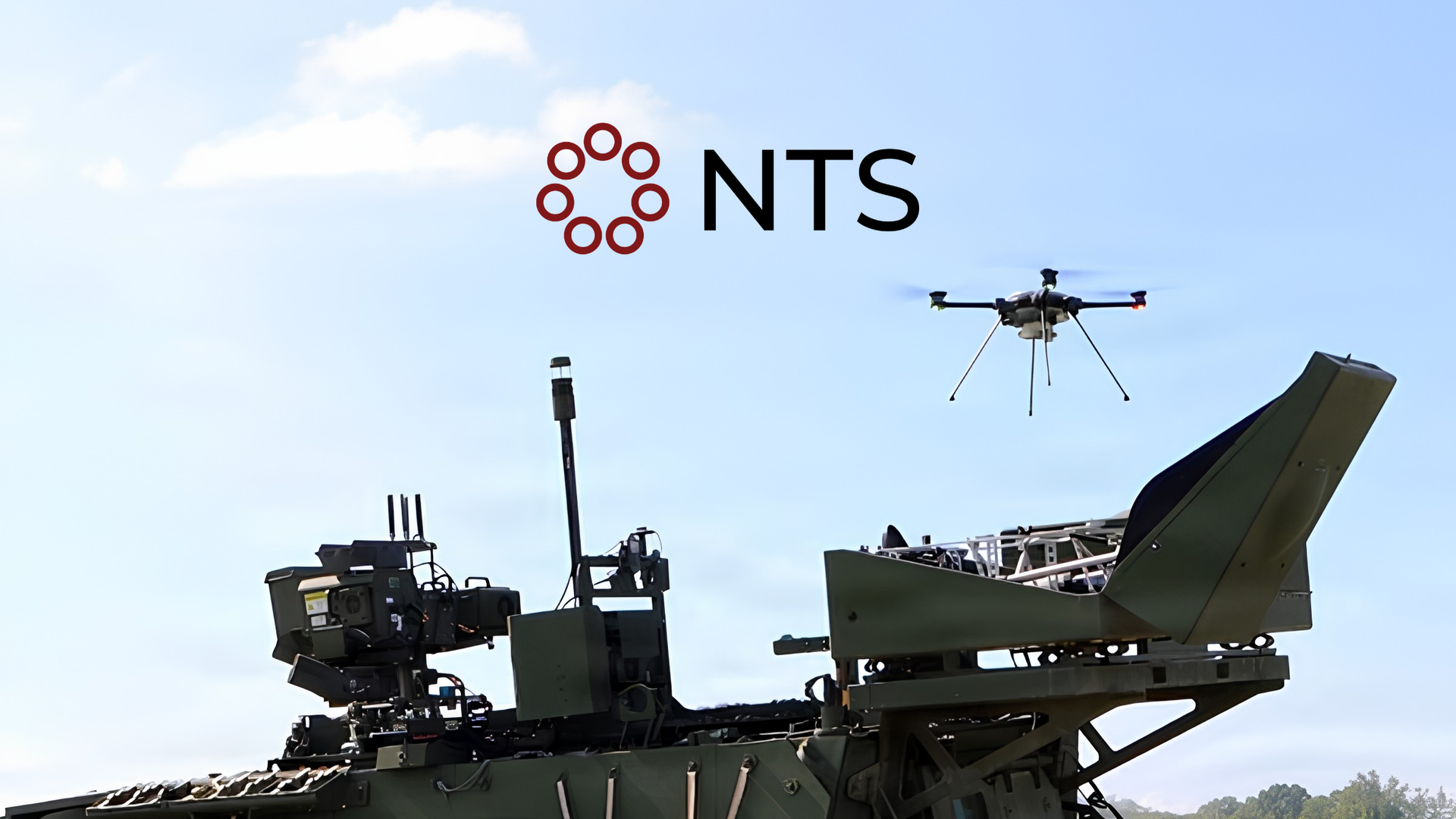
Unmanned systems have moved from novelty to operational reality across defense and commercial domains. Here's where NTS sees the next inflection point.

NexTech Solutions has announced a strategic partnership with Monkton, a pioneer in secure Edge-based mobility solutions.
NTS announces its acquisition of Nomad Solutions, a Virginia-based IT company specializing in government data and communication services.

NexTech Solutions (NTS) is proud to announce the appointment of David Pollman as the new Director of Counter-UAS (C-UAS) Operations.
NTS has entered into an agreement to acquire 100% of the issued and outstanding shares of Rome Research Corporation (RRC), closing by the end of Q2, 2024.